Introduction to DevOps
2/21/20252 min read
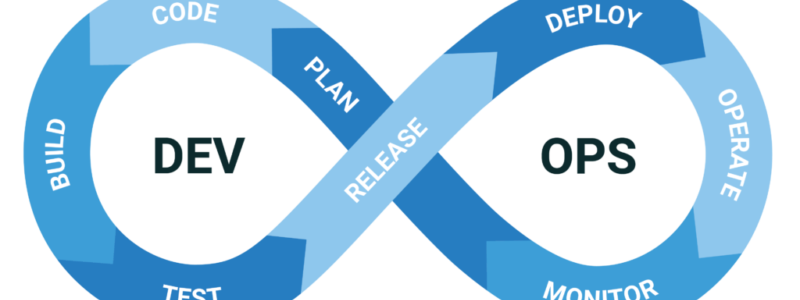

In today’s fast-paced software development world, businesses need to deliver applications quickly, reliably, and efficiently. This is where DevOps comes in. But what exactly is DevOps, and why is it so important? In this introduction to DevOps, we’ll break it down in simple terms.
What is DevOps?
DevOps is a culture, set of practices, and a collection of tools that bring together software development (Dev) and IT operations (Ops) teams. The goal is to improve collaboration, automate processes, and enhance the speed and quality of software delivery.
Traditionally, development and operations teams worked in silos. Developers wrote code, then handed it over to operations, who were responsible for deploying and maintaining the software. This often led to delays, miscommunication, and inefficiencies. DevOps removes these barriers by encouraging closer collaboration, automation, and continuous improvement.
Why is DevOps Important?
Adopting a DevOps approach brings several benefits, including:
Faster Development Cycles: Automated processes and continuous integration allow teams to deploy code more frequently and reliably.
Improved Collaboration: Developers and operations teams work together from the start, reducing miscommunication and inefficiencies.
Higher Software Quality: Automated testing and monitoring catch bugs early, improving overall system stability.
Scalability and Flexibility: DevOps enables teams to scale applications easily and respond quickly to changes.
Reduced Downtime: Continuous monitoring and proactive troubleshooting ensure fewer service interruptions.
Key Principles of DevOps
To understand DevOps better, let’s look at some of its core principles:
Collaboration & Communication
Breaking down silos between teams
Encouraging shared responsibilities and feedback loops
Automation
Automating repetitive tasks like testing, deployment, and infrastructure management
Using tools such as Jenkins, GitHub Actions, Terraform, and Ansible
Continuous Integration & Continuous Delivery (CI/CD)
Ensuring code is tested and integrated frequently
Automating deployments for faster and safer releases
Infrastructure as Code (IaC)
Managing infrastructure using code instead of manual processes
Tools like Terraform and AWS CloudFormation help create consistent environments
Monitoring & Feedback
Using logging and monitoring tools to track system performance
Gathering feedback from users and systems to continuously improve
How to Get Started with DevOps
If you're new to DevOps, here’s how you can begin your journey:
Learn the Fundamentals – Understand concepts like CI/CD, automation, and cloud computing.
Use DevOps Tools – Experiment with tools like Docker, Kubernetes, Git, and Jenkins.
Practice with Real Projects – Set up a small CI/CD pipeline, automate deployments, or manage infrastructure as code.
Join the Community – Engage with DevOps professionals through forums, blogs, and LinkedIn groups.
Conclusion
DevOps is not just a set of tools or a job title; it's a mindset and culture that enables faster, more reliable software delivery. By fostering collaboration, automating processes, and continuously improving, DevOps helps businesses stay competitive in the modern software landscape.
📢 In our next post, we dive deeper into Why DevOps Matters: The Key to Faster, Smarter Development!